Most sales are lost not because the offer is wrong, but because nobody followed up. Email and SMS automation makes sure every lead hears from you on time.
The three building blocks
Triggers
A trigger starts the sequence: a new form submission, a booked call, a purchase or a lead that has gone quiet.
Messages
Each step sends an email or a text. Keep them short, personal and focused on one next step.
Stop conditions
The sequence should stop when the lead replies, books or buys. This is the part most setups get wrong.
A simple starter sequence
- Minute 1: personal email thanking them and answering their request
- Minute 5: short SMS with a booking link
- Day 2: helpful email with an example or guide
- Day 5: short check-in text
- Day 10: final email asking if they'd like to continue
Email vs SMS
- Email is better for detail, links and longer explanations
- SMS is better for quick reminders and urgent next steps
Use both, but don't send them at the same moment.
Tools you need
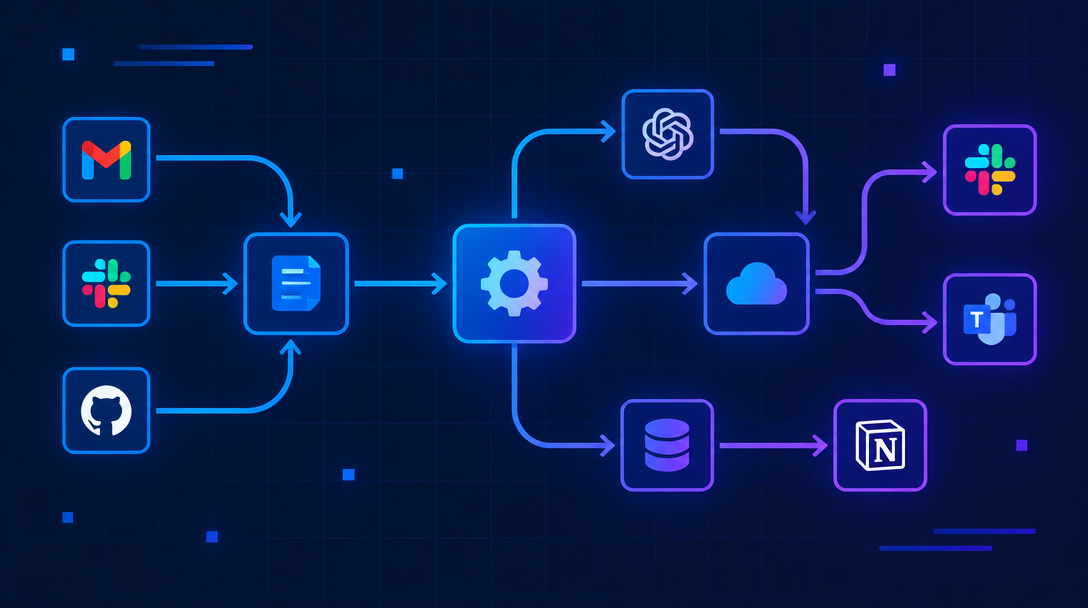
- A CRM to store contacts and status
- An email provider
- An SMS provider such as Twilio
- An automation platform to connect them
Best practices
- Get consent before sending texts
- Respect quiet hours in the lead's time zone
- Always include an easy way to opt out
- Write like a person, not a newsletter
Measuring success
Track replies and bookings rather than opens. A sequence that gets fewer opens but more conversations is doing its job.
The goal of follow-up is a conversation, not a campaign.
Next step
Want a follow-up sequence that never forgets a lead? Request a free automation audit and we'll design one with you.